
Japanese ceramic food storage canisters are more than just containers; they’re vessels of tradition, artistry, and practicality. These intricately designed canisters, often featuring exquisite patterns and colors, seamlessly blend aesthetic appeal with functional storage solutions. From meticulously crafted, hand-painted pieces to modern interpretations, they offer a glimpse into the rich cultural heritage of Japanese cuisine.
Beyond their visual allure, these canisters are renowned for their exceptional durability and food-safe properties. Made from high-quality ceramic materials, they ensure the preservation of freshness and flavor while adding a touch of elegance to any kitchen.
Overview of Ceramic Food Storage Canisters
Japanese ceramic food storage canisters, a staple in many households, transcend mere containers. They embody a blend of practical functionality and aesthetic appeal, deeply intertwined with Japanese culinary traditions. Their enduring popularity stems from a meticulous design process, carefully selecting materials for their specific properties, and a timeless appreciation for beauty in everyday objects.These canisters are more than just storage; they are an extension of the mindful approach to food preparation and presentation inherent in Japanese culture.
They showcase a commitment to quality materials, durable construction, and an appreciation for the aesthetic harmony of form and function.
Ceramic Materials and Properties
Japanese ceramic food storage canisters utilize a variety of ceramic materials, each offering distinct advantages. A common choice is stoneware, known for its exceptional durability and resistance to chipping or cracking. This robustness makes it ideal for everyday use, even with heavier lids. Other types, such as porcelain, exhibit a delicate beauty, while maintaining a surprising degree of strength and heat resistance.
The specific choice of ceramic often depends on the desired balance between aesthetics, practicality, and cost. Crucially, these materials are non-reactive with food, preventing any chemical leaching or alteration of flavor. This non-reactivity is paramount to preserving the integrity and taste of stored ingredients.
Design Elements and Aesthetics
The design of these canisters is often a harmonious blend of simplicity and sophistication. Many feature clean lines, elegant curves, and subtle decorative elements, reflecting a focus on understated beauty. The use of traditional Japanese patterns, such as delicate floral motifs or intricate geometric designs, further enhances the aesthetic appeal. These aesthetic elements contribute significantly to the cultural significance of these canisters, which are not merely utilitarian but also decorative pieces that enhance the visual appeal of any kitchen.
The color palette often reflects the natural world, with muted earth tones and subtle glazes that add a touch of sophistication to any kitchen setting.
Sizes and Shapes for Diverse Storage Needs
The variety of sizes and shapes caters to a wide range of storage needs. Small, compact canisters are ideal for storing individual portions of rice or other small ingredients. Larger canisters are perfect for storing larger quantities of rice, noodles, or other staple foods. Rectangular shapes are often used for storing vegetables or other produce, while round shapes are commonly used for storing grains.
The selection of sizes and shapes is designed to cater to different storage needs, allowing for efficient organization and easy access to various ingredients. This adaptability is a key aspect of the canister’s practicality.
Cultural Significance in Japanese Cuisine
Ceramic food storage canisters play a vital role in preserving and appreciating Japanese cuisine. The ability to maintain the freshness and flavor of ingredients is paramount. The canisters’ ability to retain the aroma and taste of stored foods reflects the deep-seated respect for ingredients in Japanese culture. This cultural emphasis on food preservation and appreciation is directly reflected in the design and construction of these storage canisters.
Furthermore, these canisters enhance the visual appeal of food preparation spaces, contributing to a harmonious atmosphere in the kitchen.
Traditional Japanese Design Elements
Japanese ceramic food storage canisters, more than mere containers, are imbued with cultural significance. Their aesthetic appeal often derives from deeply rooted traditional design elements, reflecting historical periods, regional influences, and spiritual beliefs. These elements transcend practicality, elevating the canisters to objects of artistic appreciation and cultural heritage.Traditional Japanese aesthetics prioritize harmony, balance, and the natural world. This is evident in the meticulous craftsmanship and thoughtful incorporation of symbolic designs into the ceramic canisters.
The choice of patterns, colors, and motifs communicates a story, connecting the user to a rich cultural legacy.
Examples of Traditional Designs
The intricate artistry of Japanese ceramic food storage canisters often features motifs such as blossoming cherry trees, flowing water, stylized waves, and serene landscapes. These designs aren’t arbitrary; each carries a symbolic meaning that resonates with Japanese culture. For instance, the delicate cherry blossoms represent ephemeral beauty and the fleeting nature of life, a common theme in Japanese art and philosophy.
Color Palettes and Their Symbolism
Color choices in Japanese ceramics are also laden with symbolic weight. Ceramics from the Edo period (1603-1868) frequently utilize earthy tones like browns, creams, and muted greens, reflecting the natural world. Later periods saw the emergence of bolder colors like deep blues and vibrant reds, often reflecting evolving social and artistic trends. For example, the use of indigo blue, a color derived from natural plant dyes, often symbolizes royalty or serenity, depending on the specific design.
Comparative Analysis of Designs Across Eras
| Era/Region | Common Designs | Symbolic Meaning |
|---|---|---|
| Heian Period (794-1185) | Stylized floral patterns, flowing lines, elegant landscapes | Refinement, beauty, serenity, connection to nature |
| Edo Period (1603-1868) | Geometric patterns, stylized waves, simple landscapes | Stability, order, harmony, natural beauty |
| Meiji/Taisho Period (1868-1926) | Modern interpretations of traditional designs, incorporation of Western elements | Transitional period, blending of cultures, artistic experimentation |
| Kyoto Region | Emphasis on delicate brushwork, vibrant colors, nature-inspired patterns | Connection to the artistic heritage of Kyoto, refinement, serenity |
| Kagawa Prefecture | Focus on local flora and fauna, earthy tones, simplicity | Connection to the region’s unique environment, appreciation for local craftsmanship |
Contribution to Aesthetic and Cultural Value
The integration of these traditional Japanese design elements significantly enhances the aesthetic appeal and cultural value of the ceramic food storage canisters. The meticulous craftsmanship, symbolic imagery, and harmonious color palettes elevate these vessels beyond mere functional objects. They become tangible expressions of Japanese aesthetics, allowing users to connect with a rich cultural heritage through the act of using them.
These canisters, in essence, are more than just storage; they are decorative pieces that narrate a story of Japanese artistry and cultural tradition.
Modern Interpretations of Japanese Food Storage
Contemporary ceramic food storage canisters are reimagining traditional Japanese aesthetics, reflecting a dynamic blend of historical design principles and modern sensibilities. This evolution draws on a rich heritage of functionality and artistry, while adapting to contemporary lifestyles and design trends. The fusion of traditional craft with modern materials and techniques creates pieces that are both visually appealing and highly practical.The modern interpretations of Japanese food storage often prioritize clean lines and minimalist forms, while retaining the essence of the traditional aesthetic.
This approach creates a harmonious balance between the past and present, allowing these canisters to seamlessly integrate into contemporary kitchens. The use of materials like high-quality ceramics, with sleek, polished surfaces and sophisticated color palettes, exemplifies this trend.
Modern Design Elements
Modern interpretations of Japanese aesthetics in ceramic food storage canisters frequently incorporate clean lines and minimalist forms. These designs often feature a sophisticated use of color palettes, moving beyond traditional earthy tones to embrace contemporary hues. The polished surfaces of the ceramics reflect light beautifully, contributing to the aesthetic appeal. Furthermore, modern designs often emphasize functionality, with features like intuitive lids and secure closures.
Contemporary Design Examples
Several contemporary designs showcase the fusion of traditional and modern elements. One example is a line of canisters featuring a subtle, geometric pattern etched into the ceramic, inspired by traditional Japanese woodblock prints. Another design might use a contrasting glaze, creating a striking visual impact while maintaining a sense of elegance. A third example could employ a translucent ceramic, allowing the contents to be partially visible, adding a touch of transparency and visual interest.
Impact of Modern Materials and Techniques
Modern materials and techniques have profoundly impacted the production of ceramic food storage canisters. High-quality ceramics, often glazed with sophisticated techniques, enhance durability and create a smooth, refined finish. Advanced firing methods ensure even color and texture, leading to more aesthetically pleasing pieces. Contemporary manufacturing processes also allow for the creation of intricate shapes and patterns that were previously challenging or impossible to achieve with traditional methods.
Comparison of Traditional and Modern Approaches
Traditional Japanese food storage emphasized practical functionality and the beauty of natural materials. The canisters were often crafted from readily available resources, reflecting a connection to the natural environment. In contrast, modern designs retain the functional aspect but often leverage advanced manufacturing processes to achieve a sleek, polished aesthetic. The modern canisters utilize modern glaze techniques and high-quality ceramics, creating pieces that are not only visually appealing but also durable and long-lasting.
The focus on both aesthetic appeal and functionality distinguishes the modern approach from the traditional. The key difference lies in the integration of contemporary design principles while retaining the core values of Japanese aesthetics.
Practical Aspects of Ceramic Canisters
Traditional Japanese ceramic food storage canisters, with their aesthetic appeal, offer more than just a pleasing aesthetic. These vessels, meticulously crafted, possess practical advantages for storing a variety of foods, thanks to the unique properties of ceramic. Their enduring popularity stems from a blend of practicality and cultural significance.Ceramic canisters provide a versatile and safe storage solution for preserving food freshness.
Their inherent properties make them ideal for a wide range of culinary needs, from preserving delicate herbs to storing grains. The inherent qualities of ceramic also contribute to their safety and hygiene profile.
Applications for Food Storage
Ceramic canisters are not just decorative pieces; they are functional tools for preserving the quality of various foods. Their airtight seals and durable construction effectively prevent moisture loss and pest intrusion, making them ideal for storing rice, beans, grains, and other dry goods. The dense, non-porous nature of ceramic also helps maintain the freshness of delicate herbs and spices.
Furthermore, the smooth surface minimizes the accumulation of crumbs and dust, preserving the food’s quality and flavor.
Advantages of Ceramic for Food Storage
The material’s inherent properties contribute significantly to its practicality in food storage. Ceramic is a non-reactive material, meaning it does not leach chemicals or alter the taste of the stored food. This inherent safety aspect is crucial for maintaining the natural flavor and nutritional value of food. Moreover, the smooth, non-porous surface of ceramic is easy to clean, making hygiene maintenance a breeze.
This also helps in preventing the growth of bacteria and molds, extending the shelf life of stored food.
Maintaining and Cleaning the Canisters
Regular cleaning and maintenance are key to ensuring the longevity and hygiene of ceramic canisters. A gentle hand-wash with warm soapy water is typically sufficient for most cleaning tasks. Avoid harsh chemicals or abrasive scrubbers, which can damage the delicate glaze or surface. Allow the canisters to air dry completely to prevent the growth of mold or mildew.
For particularly stubborn stains, a mild dish soap and a soft sponge can be used. Avoid placing the canisters in the dishwasher, as the high heat and agitation can potentially damage the glaze.
Storing Foods for Optimal Freshness
The optimal storage of various foods in ceramic canisters hinges on understanding their specific needs. Dry goods like rice and beans should be stored in airtight containers to prevent moisture absorption and insect infestation. Herbs and spices can be kept fresh in the canisters by storing them in airtight containers and keeping them away from direct sunlight. For delicate foods like fruits and vegetables, storing them in airtight containers can help to slow down the process of spoilage.
Always consider the specific needs of the food being stored and take appropriate precautions to maintain optimal freshness.
Functionality and Versatility
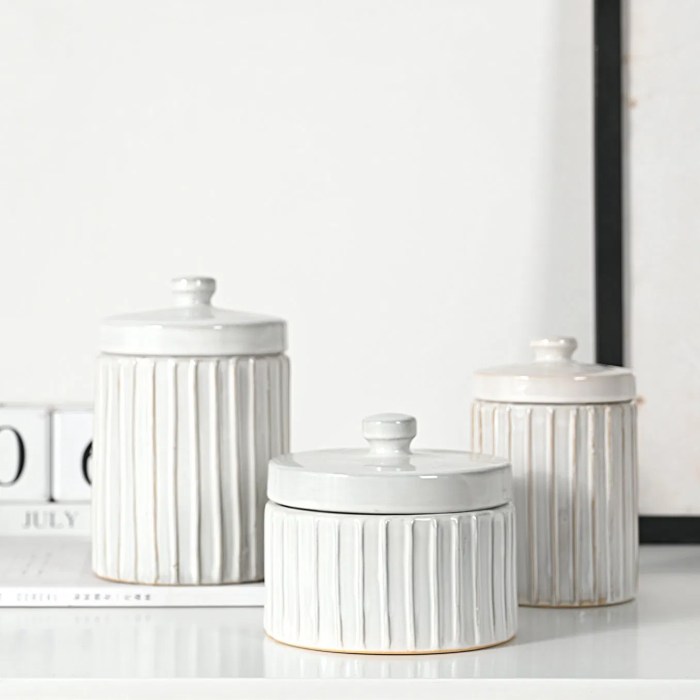
Beyond their aesthetic appeal, these ceramic food storage canisters offer a surprising array of practical and decorative applications. Their robust construction and diverse designs allow them to seamlessly integrate into various kitchen and dining environments, transforming them from mere storage solutions into versatile elements of the overall space. Their enduring appeal transcends the simple act of food preservation, making them a powerful tool for both traditional and contemporary presentations.These canisters are more than just containers; they are versatile pieces that can be used in numerous ways.
Their functionality extends far beyond food storage, offering a compelling blend of practicality and aesthetic value.
Alternative Uses Beyond Food Storage
These canisters, owing to their robust construction and attractive designs, can serve multiple purposes beyond storing food. They can be used to organize and display a range of items, from stationery and craft supplies to small decorative objects. Their visual appeal makes them suitable for showcasing collections of dried herbs, spices, or even decorative items like miniature figurines. The visual appeal of the canisters can elevate any presentation.
Versatility for Presentation and Display
The canisters’ elegant design makes them highly versatile for presentation purposes. Their smooth, glazed surfaces and often intricate patterns allow them to seamlessly complement a variety of tableware and decorative styles. Their visual impact makes them excellent for displaying small treats, cheeses, or artisanal breads. The height and shape of some canisters are ideal for creating a focal point on a buffet or dining table.
For example, stacking different sizes of canisters with varying patterns creates an attractive and visually appealing display.
Integration into Different Kitchen and Dining Spaces
The canisters’ versatility allows them to fit seamlessly into diverse kitchen and dining environments. Their traditional Japanese design can be incorporated into both modern and traditional kitchens, adding a touch of elegance and sophistication. The subtle earthy tones of many ceramic canisters blend well with minimalist decor, while the more intricate designs can enhance a more ornate or traditional setting.
In contemporary kitchens, the canisters can be used as statement pieces, adding a unique aesthetic dimension. For example, using canisters with a contrasting color scheme to the existing kitchen elements can make a bolder statement.
Traditional and Contemporary Food Presentations
The canisters can be used to enhance both traditional and contemporary food presentations. For traditional Japanese meals, the canisters can be used to display seasonal ingredients, such as dried persimmons or preserved vegetables. Their natural beauty highlights the inherent beauty of the ingredients. In contemporary settings, they can be used to showcase gourmet cheeses, artisanal breads, or colorful fruits, adding an element of visual interest to the presentation.
The canisters’ ability to transition between these styles underscores their timeless appeal. The combination of a traditional design with a contemporary presentation style showcases the dual nature of these canisters. For example, using a set of canisters to store different types of pickles or marinated vegetables in a traditional Japanese setting, and then using the same set of canisters to display artisanal breads and cheeses in a modern setting, demonstrates their adaptability.
Materials and Production Methods
Japanese ceramic food storage canisters, often imbued with traditional aesthetics, rely on a careful selection of materials and meticulous production techniques. These elements contribute significantly to the canisters’ durability, aesthetic appeal, and overall functionality. The choice of clay, firing methods, and decorative elements directly influence the final product’s characteristics.The intricate design of these canisters, often mirroring traditional Japanese aesthetic principles, is achieved through a blend of craftsmanship and modern techniques.
This fusion creates a unique product that balances cultural heritage with contemporary practicality. The materials and production processes play a critical role in determining the canisters’ longevity, environmental impact, and overall appeal.
Types of Ceramic Used
The selection of ceramic for food storage is crucial for safety and aesthetic appeal. High-quality, food-safe clays, often with a high alumina content, are employed to ensure the canisters are non-porous and resistant to staining or leaching. These clays provide durability and prevent any unwanted chemical reactions with stored food. Examples include stoneware and porcelain, both known for their strength and aesthetic qualities.
Stoneware is frequently chosen for its robustness, while porcelain is valued for its finer texture and often more intricate design.
Production Techniques
Various techniques contribute to the unique aesthetic and functionality of these canisters. Hand-building methods, like coil building and slab construction, offer a degree of individuality and can result in distinctive shapes and textures. These methods, while labor-intensive, can produce one-of-a-kind pieces. Molded forms, however, allow for efficient production and consistency, making the product accessible while still retaining aesthetic appeal.Glazing techniques are also vital.
A high-quality glaze, carefully applied and fired, creates a smooth, impervious surface, crucial for food safety and easy cleaning. Hand-painted designs or intricate motifs add a touch of artistry, reflecting traditional Japanese aesthetics. The choice of glaze color and pattern is a crucial element in defining the overall look and feel of the canister.
Comparison of Production Methods
Hand-built canisters, though time-consuming and potentially more expensive, allow for greater artistic expression and customization. They often exhibit unique imperfections that contribute to their charm. Molded canisters, on the other hand, are more cost-effective and allow for larger-scale production, ensuring consistency in quality and design. A balance between these methods is often sought, where molded forms are used for the basic shape, followed by hand-painting for artistic embellishment.
Environmental Impact
The environmental impact of ceramic production depends heavily on the specific methods employed. Energy consumption during the firing process is a key factor. Modern kilns, using efficient fuel sources like natural gas or electricity, can significantly reduce the environmental footprint compared to traditional wood-fired kilns. Furthermore, the use of recycled materials in the clay mix can reduce the overall environmental impact of production.
The raw materials used and the disposal of byproducts also play a role in the environmental footprint.
Care and Maintenance
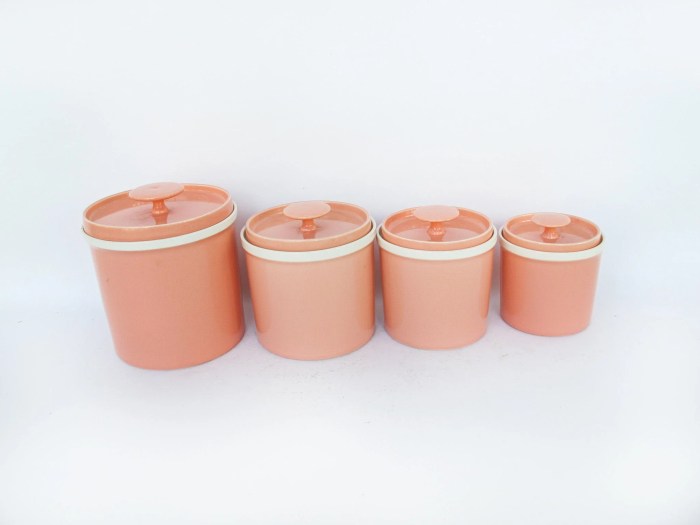
Maintaining the aesthetic appeal and longevity of these ceramic canisters hinges on proper care. Ignoring these details can lead to premature deterioration, compromising their beauty and utility. The following sections Artikel best practices for cleaning and handling these exquisite pieces.Proper cleaning methods are essential to preserving the integrity of the ceramic canisters. Different glaze types require specific approaches to avoid damage.
Furthermore, preventive measures during handling and storage are crucial to avoid breakage, ensuring these valuable containers remain functional for years to come.
Cleaning Methods
Understanding the glaze type is crucial for effective cleaning. Ceramic canisters often feature various glazes, each requiring a different approach to maintain its integrity. Using harsh chemicals or abrasive materials can scratch or damage the delicate surface. A gentle approach is paramount.
- Non-reactive Glazes: For canisters with non-reactive glazes, a mild dish soap solution and warm water is sufficient. Avoid harsh scouring pads or abrasive cleaners, as these can scratch the surface. Thoroughly rinse the canisters and dry immediately to prevent water spots.
- Reactive Glazes: Some canisters employ reactive glazes that may react to acidic foods or cleaners. For these, use only mild, non-acidic detergents. Avoid prolonged exposure to acidic foods, and ensure thorough rinsing after each use to prevent staining or discoloration. Consider using a non-abrasive sponge or cloth.
- Glazed Surfaces with Embellishments: For canisters with intricate details or embellishments, a soft cloth dampened with warm water and mild dish soap is the recommended approach. Carefully clean around the embellishments, avoiding any harsh scrubbing that could damage the delicate designs. Again, thoroughly rinse and dry immediately.
Preventing Damage
Proper handling and storage are vital to preserving the canisters’ structural integrity. Dropping or placing heavy objects on the canisters can lead to cracks or breakage.
- Handling: Always handle the canisters with care, avoiding sudden movements or dropping them. Use both hands when moving the canisters, particularly larger ones. Place them on stable surfaces to prevent accidental tipping.
- Storage: Store the canisters in a cool, dry place away from direct sunlight and extreme temperatures. Avoid stacking them too high, as this can increase the risk of breakage. Consider using protective padding or dividers between canisters to prevent them from rubbing against each other during storage.
Step-by-Step Care Guide
Following a structured approach guarantees the canisters’ longevity. Consistency in care will significantly extend their lifespan.
- Inspection: Before each use, inspect the canisters for any signs of damage, such as cracks or chips. If any damage is present, do not use the canister.
- Cleaning: Use a soft cloth dampened with warm water and a mild dish soap. Clean the interior and exterior thoroughly. Avoid harsh scrubbing or abrasive materials.
- Rinsing: Rinse the canisters thoroughly with clean water to remove any residue. Ensure no soap or detergent remains.
- Drying: Dry the canisters immediately with a soft, clean cloth. This prevents water spots and protects the glaze from moisture damage.
- Storage: Store the canisters in a cool, dry place, away from direct sunlight, extreme temperatures, and heavy objects. Avoid stacking them too high.
Food Storage Considerations
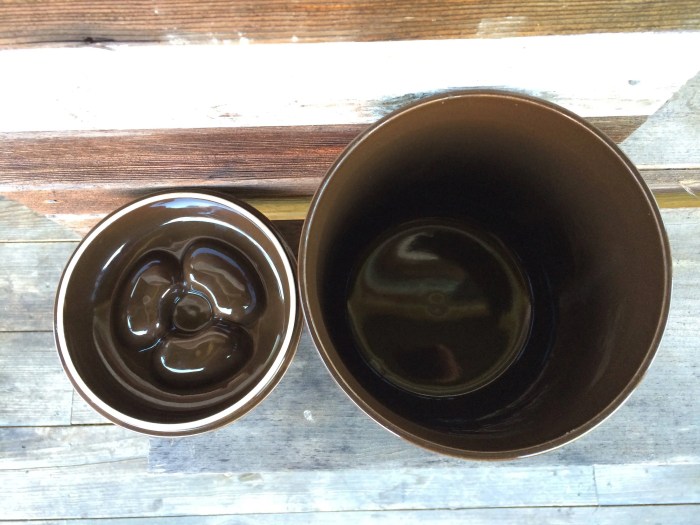
Ceramic food storage canisters, with their aesthetic appeal and traditional Japanese design, are a practical choice for preserving food. However, optimal use hinges on understanding how various food types interact with the ceramic material and implementing proper storage techniques. This section explores the nuances of food suitability, storage duration, and the best practices to maintain food quality and freshness within these beautiful containers.
Suitability of Different Foods
Ceramic canisters, due to their inherent properties, are well-suited for storing a variety of foods. Their porous nature and ability to absorb moisture can influence food preservation, making careful consideration of food type essential. Certain foods, like dried goods and certain types of nuts, benefit from the controlled environment that ceramic canisters can provide. Conversely, some foods, especially those prone to rapid deterioration, might not fare as well in these containers.
Importance of Proper Storage Techniques
Maintaining the quality of stored food is crucial. Proper storage techniques significantly impact the shelf life and palatability of food items. Factors like humidity, temperature, and the presence of air influence the rate of spoilage. Properly sealing the canister and selecting the appropriate container size are key elements in achieving optimal storage.
Food Reactions to Ceramic Material
The interaction between food and ceramic can be influenced by the specific type of ceramic used. Glazed ceramics, often favored for food storage, create a barrier that prevents food from directly interacting with the underlying material. Acidic foods, for example, might leach minerals from unglazed ceramic, affecting taste and potentially introducing undesirable compounds. This reaction, however, is less of a concern with glazed ceramic containers.
Categorization of Foods and Optimal Storage Methods
Different foods require distinct storage conditions to maximize their quality and safety. The table below provides a general guideline for storing various food types in ceramic canisters. Factors like humidity levels and the specific food’s characteristics should be taken into account for individual situations.
| Food Type | Storage Time (Approximate) | Recommended Canister (e.g., glazed ceramic) |
|---|---|---|
| Dried Fruits (raisins, apricots) | 6-8 months | Suitable, maintain low humidity |
| Nuts (almonds, cashews) | 3-4 months | Suitable, maintain low humidity |
| Rice | 6-12 months | Suitable, maintain low humidity |
| Pasta | 3-6 months | Suitable, maintain low humidity |
| Fresh Herbs (basil, parsley) | 1-2 days | Not ideal, use airtight containers for freshness |
| Fruits (apples, bananas) | 3-5 days | Not ideal, store in refrigerator |
| Meat (beef, chicken) | 1-3 days | Not ideal, store in refrigerator |
Visual Representation and Imagery
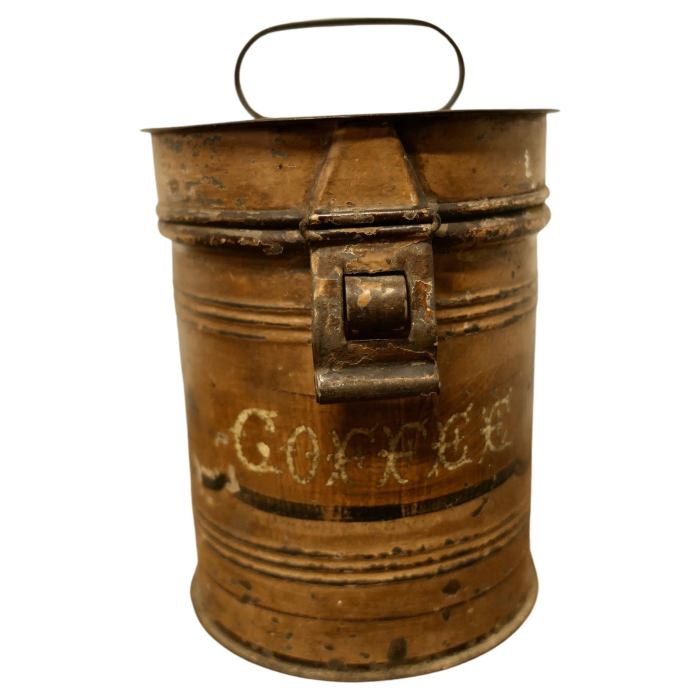
Japanese ceramic food storage canisters are more than just containers; they’re expressions of aesthetic sensibilities deeply rooted in the country’s cultural heritage. Their visual appeal transcends mere practicality, offering a glimpse into the meticulous attention to detail and artistry that characterize Japanese design. The visual elements of these canisters, from the subtle hues to the intricate patterns, contribute to a harmonious blend of function and form.
A Specific Canister: The “Sakura Blossom”
This canister, aptly named the “Sakura Blossom,” embodies the essence of Japanese aesthetics. Imagine a ceramic vessel, roughly 10 inches in height and 8 inches in diameter, crafted from a fine, matte-glazed stoneware. Its color palette is a soft, muted blush pink, evocative of the delicate, ephemeral beauty of cherry blossoms. Intricate patterns of stylized sakura blossoms, meticulously painted in a deep, rich crimson, are subtly dispersed across the surface.
These blossoms, with their delicate petals and branching stems, are not merely decorative; they echo the fleeting nature of beauty and the seasonal changes that define Japanese culture.
Colors and Significance
The muted blush pink of the “Sakura Blossom” canister evokes a sense of tranquility and serenity. It draws inspiration from the natural world, particularly the fleeting beauty of the cherry blossom season. This color palette, often used in Japanese art and design, is intended to evoke a calm and introspective atmosphere. The crimson blossoms stand out in stark contrast, creating a dynamic visual interplay, emphasizing the delicate petals and stems.
This contrasts with the quiet serenity of the pink base, representing the natural world.
Patterns and Their Cultural Context
The sakura blossom pattern, a staple in Japanese art and design, embodies the ephemeral nature of beauty. The delicate and intricate details of the pattern mirror the meticulous attention to detail valued in Japanese craftsmanship. The repeated motif reinforces a sense of harmony and order, a reflection of the Japanese appreciation for balance in nature and life. The pattern, in its elegant simplicity, speaks to a deep connection with nature and the beauty found in the everyday.
Texture and Overall Visual Impression
The “Sakura Blossom” canister’s texture is smooth yet slightly matte, a quality that enhances the visual appeal and lends a tactile dimension to the piece. The subtle sheen of the glaze complements the soft blush pink, creating a sophisticated and inviting aesthetic. The interplay of smooth, glazed surfaces and the painted details adds depth to the visual representation, making the canister not just a container, but an art piece.
The overall visual impression is one of understated elegance and timeless beauty. The combination of colors, patterns, and textures creates a sense of harmony, inviting the viewer to appreciate the artistry and craftsmanship of the piece.
Comparisons and Alternatives
Japanese ceramic food storage canisters, prized for their aesthetic appeal and practical functionality, face competition from other materials in the kitchen. Understanding the strengths and weaknesses of each option allows consumers to make informed decisions, balancing tradition with modern needs. This analysis considers glass, plastic, and ceramic alternatives to Japanese canisters, offering a comprehensive comparison.
Material Strengths and Weaknesses
Different materials offer distinct advantages and drawbacks in food storage. Ceramic, known for its durability and ability to withstand high temperatures, also presents a potential for leaching of chemicals if not properly glazed. Glass, often lauded for its transparency and non-reactive nature, can be more fragile and susceptible to breakage. Plastic, while inexpensive and lightweight, may leach chemicals into food, especially at high temperatures.
Price and Availability
The price range for Japanese ceramic food storage canisters varies widely, depending on the size, design, and brand. Premium, handcrafted pieces can command a higher price point than mass-produced alternatives. Availability can also be a factor, with some artisanal designs being limited or exclusive to specific retailers. Glass and plastic containers are generally more readily available and cheaper, but high-quality glass options can rival ceramic in cost.
Comparative Analysis
| Type | Pros | Cons | Price Range |
|---|---|---|---|
| Ceramic (Japanese Canisters) | Durable, attractive, non-reactive (with proper glazing), can withstand high temperatures, often aesthetically pleasing | Potentially more expensive, can be heavier than other options, potential for leaching if not properly glazed | $20-$200+ |
| Glass | Transparent, non-reactive, safe for food storage, generally lightweight | More fragile than ceramic, can break easily, may not be as visually appealing as some ceramic options | $10-$50+ |
| Plastic | Inexpensive, lightweight, readily available in various sizes and shapes | Can leach chemicals into food, especially at high temperatures, less durable than ceramic or glass, may not be as visually appealing | $5-$20 |
Considerations for Choosing the Right Container
The optimal choice for food storage depends on individual priorities. Consumers seeking aesthetic appeal and durability may opt for ceramic canisters. Those prioritizing affordability and convenience might lean towards plastic. Glass stands as a middle ground, balancing cost and safety. The table above provides a concise overview of the key factors to consider.
A practical assessment of storage needs, budgetary constraints, and aesthetic preferences should guide the decision-making process.
Final Wrap-Up
Japanese food storage canisters ceramic showcase a beautiful fusion of tradition and modernity, seamlessly integrating aesthetic appeal with practical functionality. Their versatility extends beyond food storage, offering a captivating way to elevate presentation and display. This exploration of design, materials, and applications highlights the enduring appeal of these timeless containers.
