
The operating room, a realm of precision and urgency, is where surgical technologists hold a pivotal role. They are the silent partners of surgeons, ensuring every instrument is sterilized, every procedure is meticulously prepared, and every patient receives the best possible care. This is a profession that demands unwavering focus, technical expertise, and a deep understanding of human anatomy and surgical procedures.
From preparing the sterile field to anticipating the surgeon’s needs, surgical technologists are indispensable. Their journey involves rigorous training, continuous learning, and a commitment to upholding the highest standards of patient safety. This exploration delves into the multifaceted world of surgical technology, uncovering the skills, education, and dedication required to thrive in this demanding yet rewarding career.
The Core Responsibilities of a Surgical Technologist Demands Precise Actions in the Operating Room.
Surgical technologists are indispensable members of the surgical team, working behind the scenes to ensure the smooth and safe execution of surgical procedures. Their expertise in sterile technique, surgical instrumentation, and patient care contributes significantly to positive patient outcomes. These professionals possess a unique blend of technical skills and interpersonal abilities, allowing them to thrive in the high-pressure environment of the operating room. They are integral to the success of surgical interventions, providing essential support to surgeons, nurses, and other healthcare professionals.
Surgical technologists play a crucial role in preparing the operating room, ensuring sterility, and assisting surgeons during procedures. They must be adept at handling surgical instruments, anticipating the needs of the surgical team, and maintaining a sterile field throughout the operation. Their attention to detail and adherence to strict protocols are paramount in preventing surgical site infections and other complications. This demanding role requires a high degree of precision, critical thinking, and the ability to work effectively under pressure.
Fundamental Duties of a Surgical Technologist
The core responsibilities of a surgical technologist encompass a wide range of tasks, all aimed at facilitating a safe and efficient surgical environment. Their duties begin long before the first incision and extend until the patient is safely recovered. These responsibilities are critical to the success of surgical procedures and the well-being of the patient.
Surgical technologists are involved in the preparation of the operating room. This involves gathering and arranging all necessary surgical instruments, equipment, and supplies. They meticulously check each item for functionality and sterility, ensuring that everything is ready for the procedure. They assist in the proper positioning of the patient on the operating table and ensure that all equipment is within easy reach of the surgical team. They are responsible for preparing the sterile field, a critical step in preventing infection. This includes draping the patient and setting up the instrument table. They also assist in the surgical scrub process and gowning and gloving the surgical team.
Maintaining a sterile field is a paramount responsibility. Surgical technologists must adhere to strict sterile techniques throughout the procedure. They must be vigilant in identifying and correcting any breaches in sterility, such as accidental contamination. They are responsible for passing instruments to the surgeon, anticipating their needs, and ensuring that the instruments are in the correct position. They also assist in other tasks during the surgery, such as suctioning and providing hemostasis. They are also responsible for the safe handling of sharps and biohazardous waste. They also ensure the operating room is cleaned and prepared for the next surgery. They are responsible for the proper disposal of used instruments and supplies, and for the restocking of the operating room. They also assist in the postoperative care of the patient, such as applying dressings and assisting with patient transfer.
Surgical technologists must be familiar with a wide variety of surgical procedures and the instruments used in each. They must also possess a thorough understanding of human anatomy and physiology. They are an essential part of the surgical team and their dedication and skill are critical to the success of surgical procedures.
Five Critical Responsibilities of a Surgical Technologist
The following responsibilities highlight the key duties of a surgical technologist, demonstrating the breadth and depth of their role within the surgical environment. These responsibilities are essential for maintaining patient safety and ensuring the smooth operation of surgical procedures.
- Preparation of the Operating Room: Surgical technologists are responsible for meticulously preparing the operating room before each procedure. This includes ensuring all necessary equipment, instruments, and supplies are available and sterile. For example, before a laparoscopic cholecystectomy, the technologist would ensure the laparoscope, insufflator, and various laparoscopic instruments are present, functional, and sterilized, ready for use.
- Maintaining Sterility: A cornerstone of the surgical technologist’s role is the strict adherence to sterile technique. They are responsible for creating and maintaining a sterile field, preventing contamination of the surgical site. An example would be, if a sterile instrument accidentally touches a non-sterile surface, the surgical technologist must immediately recognize the breach in sterility, remove the contaminated instrument, and replace it with a sterile one.
- Instrument Handling and Passing: Surgical technologists are experts in surgical instrumentation. They anticipate the surgeon’s needs and provide the correct instruments in a timely and efficient manner. During a complex vascular surgery, for example, the surgical technologist would know the order of instruments required for each step of the procedure, providing the correct clamps, sutures, and retractors as needed.
- Assisting the Surgical Team: Surgical technologists provide direct assistance to the surgeon and other members of the surgical team throughout the procedure. This can involve suctioning, providing hemostasis, and assisting with wound closure. During a major orthopedic procedure, such as a total hip replacement, the surgical technologist would assist in retracting tissues, suctioning blood, and providing the necessary implants and instrumentation.
- Patient Care and Safety: Surgical technologists contribute to patient safety by ensuring the sterile environment and assisting in patient positioning. They monitor the surgical field and alert the surgical team to any potential hazards. An example would be, ensuring the patient is correctly positioned on the operating table to prevent pressure sores and nerve damage, and assisting with the application of safety straps.
A Day in the Life of a Surgical Technologist:
The day begins with a flurry of activity. Checking the surgical schedule, gathering supplies, and ensuring all instruments are sterilized and ready. The morning might involve assisting in a variety of procedures, from minor outpatient surgeries to complex open-heart operations. The pressure is constant, demanding sharp focus and quick thinking. There’s the satisfaction of seeing a surgery go smoothly, knowing you played a vital role in a patient’s recovery. The challenges include long hours, the emotional toll of witnessing trauma, and the constant need to adapt to changing circumstances. Despite the intensity, there’s a unique camaraderie among the surgical team, a shared commitment to excellence that makes the profession incredibly rewarding.
The Educational Pathway for Aspiring Surgical Technologists Involves Comprehensive Training.
The journey to becoming a surgical technologist is a demanding one, requiring a blend of theoretical knowledge and practical skills. It’s a profession built on precision and the ability to function effectively within a high-pressure environment. Aspiring surgical technologists must undergo rigorous training to master the intricacies of surgical procedures, sterile techniques, and the use of specialized instruments. This comprehensive education ensures they are prepared to assist surgeons and contribute to positive patient outcomes.
Educational Requirements and Certifications
The path to becoming a surgical technologist typically begins with completing an accredited educational program. These programs are designed to equip students with the necessary knowledge and skills to excel in the operating room. Accreditation ensures the program meets specific standards of quality and prepares graduates for certification exams.
Several educational pathways exist, but all typically involve a combination of classroom instruction, laboratory practice, and clinical experience. The curriculum covers a wide range of topics, including:
- Anatomy and Physiology: A fundamental understanding of the human body’s structure and function is essential for surgical technologists.
- Surgical Procedures: Students learn the steps involved in various surgical procedures, including the roles of the surgical team.
- Sterilization and Aseptic Technique: Maintaining a sterile field is paramount to prevent surgical site infections.
- Surgical Instrumentation: Familiarity with the instruments used in surgery, their proper handling, and maintenance.
- Pharmacology: Knowledge of medications used during surgery, their effects, and potential complications.
- Patient Care: Understanding patient needs and providing support during surgical procedures.
Upon completion of an accredited program, graduates are eligible to sit for a certification examination. The most widely recognized certification is offered by the National Board of Surgical Technology and Surgical Assisting (NBSTSA). Passing this exam leads to the Certified Surgical Technologist (CST) credential. Other certifications may be available through different organizations, but the CST is the gold standard in the field.
Maintaining certification requires ongoing professional development. Surgical technologists must complete continuing education (CE) credits to stay current with advancements in surgical techniques, technology, and patient care. This ensures that certified professionals maintain their competency and provide the highest level of care. CE credits can be earned through various means, including attending workshops, conferences, and online courses. The NBSTSA mandates a specific number of CE credits within a certain timeframe to maintain the CST credential.
Types of Surgical Technology Programs
Different types of surgical technology programs offer varying approaches to education. Each has its own advantages and disadvantages, allowing aspiring surgical technologists to choose the option that best suits their needs and goals.
Here’s a comparison of three distinct program types:
| Program Type | Advantages | Disadvantages |
|---|---|---|
| Associate’s Degree Programs |
|
|
| Certificate Programs |
|
|
| Military Programs |
|
|
The Importance of Certification
Certification is a critical aspect of a surgical technologist’s career, serving as a testament to their competence and commitment to patient safety. Certification demonstrates that the individual has met specific standards of knowledge and skills, as assessed by a recognized certifying body.
The benefits of maintaining certification are numerous:
- Enhanced Employability: Certified surgical technologists are often preferred by employers, as certification validates their qualifications.
- Increased Earning Potential: Certified professionals may command higher salaries compared to those without certification.
- Professional Recognition: Certification signifies a commitment to the profession and a dedication to providing high-quality patient care.
- Career Advancement: Certification can open doors to leadership roles, specialized surgical areas, and advanced educational opportunities.
- Compliance with Regulations: Many hospitals and healthcare facilities require or strongly encourage certification for surgical technologists to comply with regulatory requirements and ensure patient safety.
The NBSTSA is the primary organization offering certification for surgical technologists in the United States. They administer the CST examination and provide ongoing support for certified professionals. Other organizations may offer specialized certifications in particular areas of surgical technology, such as cardiovascular surgery or orthopedic surgery. Maintaining certification through continued education is crucial to staying abreast of changes in the field.
Different Surgical Specialties Offer Varied Experiences for Surgical Technologists.
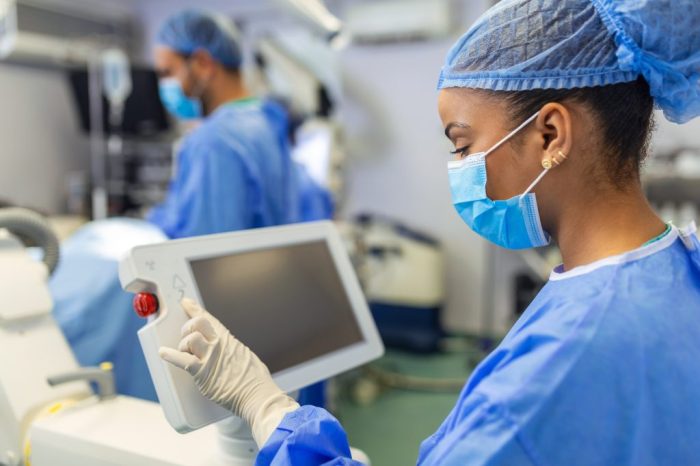
The operating room is a dynamic environment, and the roles of surgical technologists are as varied as the surgical procedures themselves. The skills and knowledge required to excel in this field are extensive, and the opportunity for specialization is vast. Surgical technologists are integral members of the surgical team, and their adaptability and proficiency directly impact patient outcomes. The diverse range of surgical specialties provides technologists with the chance to refine their expertise and contribute to the specific needs of each surgical discipline.
Diverse Surgical Specialties and Required Skills
Surgical technologists have the opportunity to specialize in a wide array of surgical fields, each demanding a unique skillset and set of technical proficiencies. The choice of specialty often depends on personal interests, career goals, and the specific training received. Working in a specialized field allows surgical technologists to develop an in-depth understanding of particular surgical procedures and the instrumentation associated with them. This specialization contributes to a higher level of competence and efficiency in the operating room.
* Cardiovascular Surgery: This specialty focuses on procedures involving the heart and blood vessels. Surgical technologists in this area must possess a strong understanding of cardiac anatomy and physiology. They must be proficient in preparing and assisting with procedures like coronary artery bypass grafts (CABG), valve replacements, and the insertion of pacemakers and other devices. The ability to anticipate the needs of the surgical team during complex procedures is crucial.
* Orthopedic Surgery: Orthopedic surgery addresses conditions of the musculoskeletal system, including bones, joints, ligaments, and tendons. Surgical technologists in this field must be adept at handling orthopedic instruments, such as drills, saws, and retractors. They require a comprehensive knowledge of implants, including screws, plates, and joint replacements. They often assist with fracture reductions, arthroscopic procedures, and total joint replacements.
* Neurosurgery: Neurosurgery involves surgical procedures on the brain, spinal cord, and peripheral nerves. Surgical technologists in this specialty require a meticulous approach and a thorough understanding of neurological anatomy. They assist with craniotomies, spinal fusions, and the removal of brain tumors. They must be familiar with specialized instruments like microsurgical instruments, cranial drills, and neuronavigation systems.
* General Surgery: General surgery encompasses a broad range of procedures, often involving the abdominal cavity, but can also include other areas of the body. Surgical technologists in this field must be versatile and adaptable, capable of assisting with various procedures, including appendectomies, cholecystectomies, and hernia repairs. They require a solid foundation in surgical principles and the ability to work effectively with a wide range of surgical instruments.
* Urology: This specialty focuses on the surgical and medical treatment of conditions affecting the urinary tract and male reproductive system. Surgical technologists assist with procedures such as prostatectomies, kidney stone removal, and bladder surgeries. They need to be knowledgeable about specialized instruments like cystoscopes, resectoscopes, and ureteral stents.
* Gynecology: Gynecology focuses on the female reproductive system. Surgical technologists in this field assist with procedures like hysterectomies, oophorectomies, and cesarean sections. They must be familiar with instruments such as speculums, retractors, and laparoscopic equipment.
* Ophthalmology: This surgical field addresses the treatment of eye diseases and disorders. Surgical technologists assist with procedures like cataract removal, corneal transplants, and retinal detachment repairs. They need to be skilled in handling delicate microsurgical instruments and understanding the intricacies of ophthalmic procedures.
* Plastic Surgery: This specialty encompasses reconstructive and cosmetic procedures. Surgical technologists in plastic surgery assist with procedures like facelifts, breast augmentation, and skin grafts. They must have knowledge of specialized instruments and techniques used in these procedures.
Specialized Surgical Instruments: Examples and Handling
The surgical instruments utilized vary widely across surgical specialties. Understanding the function of these instruments and the proper techniques for handling them is critical for surgical technologists.
* Cardiovascular Surgery:
* Sternal Saw: This oscillating saw is used to cut through the sternum (breastbone) to access the heart. The surgical technologist must be prepared to handle the saw safely, ensuring the blade is properly positioned and that the area is clear of drapes and other equipment. The technologist must also have sterile saline available to cool the blade during use.
* Vascular Clamps: These instruments are used to temporarily occlude blood vessels during procedures like CABG. The surgical technologist must be proficient in passing the clamps to the surgeon in a timely and efficient manner, ensuring they are oriented correctly and securely. The technologist should also be prepared to assist with the placement and removal of these clamps.
* Cardioplegia Cannula: This is used to deliver a solution that stops the heart during the surgery. The surgical technologist is responsible for keeping it ready and passing it to the surgeon when needed.
* Orthopedic Surgery:
* Bone Drill: Used to create holes in bone for screws or pins. The surgical technologist is responsible for preparing the drill, selecting the appropriate drill bit, and providing irrigation to prevent overheating of the bone. The technologist must also maintain the sterile field and ensure the drill is properly positioned by the surgeon.
* Knee Retractor: Used to hold soft tissues out of the way during knee replacement surgery. The surgical technologist must be familiar with different types of retractors and their specific uses. They are responsible for preparing and placing the retractor, as well as adjusting it as needed at the surgeon’s direction.
* Bone Rongeur: This instrument is used to remove small pieces of bone. The surgical technologist needs to be skilled in passing it and cleaning it after use, maintaining a clear surgical field.
* Neurosurgery:
* Cranial Drill: This specialized drill is used to create an opening in the skull during craniotomies. The surgical technologist must ensure the drill is properly assembled and that the appropriate burr is selected. The technologist must also provide irrigation and suction to keep the surgical field clear and maintain the sterile field.
* Microscope: Neurosurgery often involves the use of a surgical microscope for enhanced visualization. The surgical technologist may be responsible for assisting with the positioning of the microscope and adjusting the settings as needed. The technologist must also be aware of the delicate nature of microsurgical instruments and handle them with care.
* Brain Spatula: This instrument is used to gently retract the brain tissue. The surgical technologist must pass it to the surgeon with precision and ensure it remains sterile throughout the procedure.
Unique Challenges and Rewards in Different Surgical Settings
Surgical technologists can find employment in a variety of settings, each presenting its own unique challenges and rewards. The choice of setting often influences the type of cases performed, the level of autonomy, and the overall work environment.
* Hospital Operating Rooms:
* Challenges: Hospital operating rooms often handle a wide variety of cases, including emergency procedures and complex surgeries. Surgical technologists may be required to adapt quickly to changing circumstances and manage a heavy workload. They must also be prepared to work with a diverse team of healthcare professionals and navigate the complexities of hospital policies and procedures.
* Rewards: Hospital operating rooms offer exposure to a broad range of surgical specialties and the opportunity to work with experienced surgeons. Surgical technologists can develop advanced skills and gain a deep understanding of surgical procedures. They also play a vital role in providing critical care to patients in need.
* Ambulatory Surgery Centers (ASCs):
* Challenges: ASCs typically focus on elective procedures, often with shorter operating times. Surgical technologists may encounter a more limited range of surgical specialties and may have less exposure to complex cases. They must also be efficient and organized, as ASCs often prioritize patient throughput and rapid turnover.
* Rewards: ASCs often provide a more predictable schedule and a less stressful work environment. Surgical technologists may have more opportunities for autonomy and may develop close working relationships with the surgical team. They also contribute to a high level of patient satisfaction and a positive surgical experience.
* Other Settings: Surgical technologists may also find employment in other settings, such as military hospitals, private surgical practices, and research facilities. Each of these settings presents its own unique opportunities and challenges, and surgical technologists must be adaptable and flexible to succeed.
Essential Skills and Qualities Contribute to Success for Surgical Technologists.
The demanding environment of the operating room requires surgical technologists to possess a unique blend of technical proficiency and interpersonal skills. Success in this field hinges on the ability to anticipate needs, react swiftly to unexpected challenges, and collaborate effectively within a high-pressure setting. Mastering these skills and cultivating specific personal qualities is crucial for ensuring patient safety and contributing to the overall success of surgical procedures.
Technical and Interpersonal Skills for Surgical Technologists
Surgical technologists must master a range of technical skills, but their effectiveness is also significantly shaped by their interpersonal abilities. The operating room is a team-based environment, and effective communication and collaboration are paramount.
- Technical Proficiency: Surgical technologists must possess a thorough understanding of surgical instruments, equipment, and procedures. This includes the ability to anticipate the surgeon’s needs, prepare the sterile field, and assist with various surgical tasks. Proficiency also encompasses the ability to troubleshoot equipment malfunctions and maintain a sterile environment.
- Teamwork: The operating room functions as a cohesive unit, with each member playing a vital role. Surgical technologists must be able to collaborate effectively with surgeons, nurses, anesthesiologists, and other team members. This involves clear communication, shared responsibility, and a willingness to support colleagues.
- Communication: Clear and concise communication is essential for conveying information and coordinating actions during a surgical procedure. Surgical technologists must be able to communicate effectively with all members of the surgical team, including verbal and non-verbal cues. This includes the ability to understand and respond to instructions accurately and efficiently.
- Problem-Solving: Unexpected situations can arise during surgery, requiring quick thinking and decisive action. Surgical technologists must be able to identify problems, assess the situation, and implement solutions effectively. This includes the ability to remain calm under pressure and make sound judgments.
- Adaptability: Surgical procedures can vary significantly, and surgical technologists must be able to adapt to different surgical specialties and techniques. This requires a willingness to learn new skills, embrace change, and adjust to the specific needs of each case.
Essential Personal Qualities for Surgical Technologists
Beyond technical and interpersonal skills, certain personal qualities are critical for surgical technologists to excel in their roles. These qualities contribute to professionalism, patient safety, and overall team effectiveness.
- Attention to Detail: Surgical technologists must possess a meticulous approach to their work, ensuring that every detail is attended to. This includes carefully checking instruments, maintaining sterility, and accurately following surgical protocols.
Example: Before a cardiac bypass surgery, a surgical technologist meticulously double-checks the instruments, ensuring they are in perfect working order and properly sterilized, preventing any potential complications during the procedure. - Responsibility: Surgical technologists are entrusted with significant responsibilities, including maintaining the sterile field, assisting with surgical tasks, and ensuring the safety of the patient. They must be accountable for their actions and decisions.
Example: A surgical technologist takes ownership of preparing the instrument table for a complex orthopedic surgery, ensuring that all necessary instruments and supplies are readily available and properly organized, thereby contributing to the efficiency and safety of the procedure. - Composure Under Pressure: The operating room can be a high-stress environment, and surgical technologists must be able to remain calm and focused under pressure. This includes the ability to manage stress, maintain composure, and make sound decisions in critical situations.
Example: During a sudden hemorrhage during a liver transplant, the surgical technologist remains calm, efficiently passing instruments and anticipating the surgeon’s needs, thereby contributing to a successful outcome. - Integrity: Surgical technologists must adhere to the highest ethical standards, demonstrating honesty, trustworthiness, and respect for patients and colleagues. This includes maintaining patient confidentiality and upholding professional boundaries.
Example: A surgical technologist reports a minor breach of sterile technique immediately to the surgical team, ensuring that the necessary corrective measures are taken to prevent potential infection. - Proactiveness: Surgical technologists should anticipate the needs of the surgical team and proactively address potential issues. This includes anticipating the surgeon’s next move, preparing instruments in advance, and identifying potential problems before they arise.
Example: Recognizing that the surgeon will likely need a specific type of suture material during a complex vascular procedure, the surgical technologist proactively prepares the necessary sutures, ensuring that they are readily available and preventing any delays during the surgery.
A Case Study in Problem-Solving
During a complex laparoscopic cholecystectomy, the surgical technologist noticed a small tear in the insufflation tubing, which delivers carbon dioxide gas to inflate the abdominal cavity. This tear, if undetected, could lead to a loss of pneumoperitoneum, making it difficult for the surgeon to visualize the surgical field.
The surgical technologist, immediately recognizing the potential complication, calmly alerted the surgeon and the circulating nurse. They quickly retrieved a backup tubing set and, with the assistance of the circulating nurse, replaced the damaged tubing. The entire process was completed swiftly and efficiently, minimizing any disruption to the surgery. This quick thinking and problem-solving prevented a potential delay and ensured the successful completion of the procedure.
Technological Advancements are Transforming the Role of Surgical Technologists.
The operating room landscape is in constant flux, driven by relentless technological innovation. This evolution is fundamentally reshaping the responsibilities and required skill sets of surgical technologists. From robotic surgery to advanced imaging systems, these advancements are not merely incremental improvements; they are creating a new paradigm for surgical practice, demanding that surgical technologists adapt and acquire new expertise to remain integral members of the surgical team. This ongoing transformation necessitates a proactive approach to education and professional development, ensuring surgical technologists are equipped to meet the challenges and harness the opportunities presented by these groundbreaking technologies.
Impact of Technological Innovations on Surgical Technologist Responsibilities
Technological advancements are profoundly impacting the duties of surgical technologists. These changes necessitate a broader understanding of surgical procedures and a more specialized skillset. The shift is not just about learning new tools; it’s about adopting a new way of thinking and problem-solving within the operating room environment.
- Robotic Surgery: The advent of robotic surgical systems, such as the da Vinci Surgical System, has revolutionized minimally invasive procedures. Surgical technologists are now responsible for assisting in the setup, maintenance, and operation of these complex systems. This includes draping the robot, connecting instruments, and troubleshooting technical issues during the procedure. This necessitates a deep understanding of the robot’s components, software, and operational protocols.
- Minimally Invasive Techniques (MIT): MIT, including laparoscopy and arthroscopy, rely on advanced imaging and specialized instruments. Surgical technologists must be proficient in the use of these tools, including cameras, scopes, and energy devices. They are responsible for preparing the sterile field, ensuring proper instrument function, and assisting the surgeon with instrument manipulation. This requires meticulous attention to detail and a strong understanding of anatomical structures.
- Advanced Imaging Systems: Technologies like intraoperative MRI, CT scans, and ultrasound are becoming increasingly integrated into surgical procedures. Surgical technologists may be involved in positioning patients, operating imaging equipment, and ensuring image quality. This demands a working knowledge of radiation safety protocols and the ability to collaborate effectively with radiologic technologists.
- Energy-Based Devices: The use of advanced energy devices, such as lasers, ultrasonic scalpels, and electrosurgical units, is becoming increasingly prevalent. Surgical technologists must understand the principles of operation, safety protocols, and potential hazards associated with these devices. They are responsible for ensuring proper device setup, maintenance, and safe operation during surgical procedures.
Adaptation and Continuing Education for Surgical Technologists
Surgical technologists must proactively embrace continuous learning to remain proficient in the face of rapid technological change. This involves formal training, ongoing education, and a commitment to staying current with the latest advancements. This commitment is crucial for ensuring patient safety and maintaining the highest standards of surgical care.
- Formal Training Programs: Accredited surgical technology programs are continually updating their curricula to incorporate training on new technologies. This includes hands-on experience with robotic systems, laparoscopic instruments, and advanced imaging equipment. These programs provide a strong foundation in the fundamentals of surgical technology and equip students with the skills needed to adapt to evolving technologies.
- Continuing Education: Surgical technologists are required to participate in continuing education to maintain their certifications and stay current with advancements. This may include attending workshops, conferences, and online courses focused on specific technologies or surgical specialties. These educational opportunities provide a platform for learning new skills, networking with peers, and staying abreast of the latest best practices.
- Manufacturer Training: Manufacturers of surgical equipment often provide specialized training programs on their products. Surgical technologists may participate in these programs to gain in-depth knowledge of specific devices, including their operation, maintenance, and troubleshooting. This training is essential for ensuring the safe and effective use of these technologies in the operating room.
- Professional Organizations: Organizations like the Association of Surgical Technologists (AST) offer resources and support for surgical technologists. They provide access to educational materials, certification programs, and networking opportunities. Staying involved with these organizations helps surgical technologists stay connected with the broader surgical community and remain informed about industry trends.
Robotic Surgery Setup and Surgical Technologist Role
Robotic surgery represents a significant shift in surgical technique, demanding a collaborative approach from the entire surgical team. The surgical technologist plays a critical role in the setup, operation, and maintenance of the robotic system, ensuring a smooth and efficient surgical procedure. This requires specialized knowledge and a high degree of technical proficiency.
Here’s a descriptive overview of a robotic surgery setup and the surgical technologist’s role:
- System Components: The robotic system typically consists of several key components:
- The Patient Cart: This is the main component that interfaces with the patient. It houses the robotic arms and instruments. The arms are positioned over the patient through small incisions.
- The Surgeon Console: The surgeon controls the robotic arms and instruments from this console. It provides a magnified, three-dimensional view of the surgical field.
- The Vision Cart: This cart houses the imaging system, which provides the surgeon with the visual information needed to perform the surgery.
- Instruments: A variety of specialized instruments are available for use with the robotic system. These instruments are designed to mimic the movements of a surgeon’s hands and provide a high degree of precision and dexterity. Examples include:
- Scissors: For cutting and dissecting tissues.
- Graspers: For holding and manipulating tissues.
- Needle drivers: For suturing tissues.
- Electrocautery: For controlling bleeding.
- Surgical Team Roles: The surgical team in a robotic procedure typically includes:
- The Surgeon: Controls the robotic arms and performs the surgery from the console.
- The First Assistant: Assists the surgeon with instrument exchange, tissue retraction, and other tasks. This role may be filled by a surgical technologist, a physician assistant, or another surgeon.
- The Anesthesiologist: Manages the patient’s anesthesia and monitors their vital signs.
- The Surgical Technologist: Prepares the operating room, sets up the robotic system, assists with instrument exchange, and ensures the smooth operation of the procedure.
- Surgical Technologist Actions: The surgical technologist’s responsibilities in a robotic surgery setup include:
- Preparing the Operating Room: The surgical technologist prepares the operating room by ensuring the availability of all necessary equipment, instruments, and supplies. This includes positioning the patient on the operating table and preparing the sterile field.
- Setting Up the Robotic System: The surgical technologist assists with positioning the patient cart and draping the robotic arms. They connect the instruments to the robotic arms and ensure that all connections are secure.
- Instrument Exchange: The surgical technologist is responsible for exchanging instruments during the procedure. This involves removing used instruments from the robotic arms and loading new instruments as requested by the surgeon.
- Troubleshooting: The surgical technologist is responsible for troubleshooting any technical issues that may arise during the procedure. This may involve contacting the manufacturer’s representative or performing minor repairs.
- Monitoring and Maintenance: The surgical technologist monitors the robotic system throughout the procedure and performs routine maintenance tasks, such as cleaning and sterilizing instruments.
Career Advancement Opportunities Exist for Surgical Technologists to Grow Professionally.

The surgical technology field offers a variety of avenues for professional growth, allowing dedicated individuals to expand their skills, increase their responsibilities, and enhance their earning potential. Career advancement for surgical technologists isn’t merely about climbing a ladder; it’s about continuously learning, adapting, and contributing more significantly to the surgical team and the overall healthcare system. This progression provides opportunities to specialize in particular areas, mentor others, and shape the future of surgical care.
Potential Career Advancement Paths
Surgical technologists have several options to advance their careers, moving beyond the core responsibilities of the operating room. These paths offer diverse opportunities for specialization and leadership.
* Lead Surgical Technologist/Operating Room Supervisor: This role involves overseeing the daily operations of the surgical suite, managing staff, and ensuring adherence to protocols and standards. This often includes responsibility for scheduling, inventory management, and quality control.
* Surgical First Assistant (SFA): SFAs work under the direct supervision of a surgeon, assisting with surgical procedures by providing exposure, hemostasis, and other critical tasks. This role requires additional education and certification, typically involving a formal training program. The responsibilities of an SFA can include wound closure, tissue retraction, and assisting with the application of surgical dressings.
* Educator/Clinical Instructor: Experienced surgical technologists can transition into teaching roles, educating the next generation of surgical professionals. They may work in vocational schools, community colleges, or university programs, sharing their knowledge and expertise.
* Specialty Surgical Technologist: Focusing on a specific surgical specialty, such as cardiovascular, orthopedic, or neurosurgery, allows technologists to develop deep expertise and become highly sought after within their chosen area. This specialization often involves advanced training and certification.
* Sales Representative/Industry Liaison: Surgical technologists with strong communication and interpersonal skills can transition into roles representing surgical equipment manufacturers or medical supply companies. They can leverage their operating room experience to provide product demonstrations, training, and support to surgical teams.
* Materials Management Specialist: This involves managing surgical supplies and equipment, ensuring that all necessary items are available and properly sterilized for each procedure. This role requires organizational skills and a thorough understanding of surgical protocols.
Steps to Advance a Career
Advancing a career as a surgical technologist requires a strategic approach that combines education, experience, and professional development. Here are key steps:
* Obtain Additional Education: Pursuing advanced certifications, such as the Certified Surgical First Assistant (CSFA) credential offered by the National Board of Surgical Technology and Surgical Assisting (NBSTSA), is a critical step. A bachelor’s or master’s degree in a related field, such as healthcare administration or education, can also open doors to leadership and management roles.
* Gain Extensive Experience: The more experience a surgical technologist gains in the operating room, the more valuable they become. This experience allows them to refine their skills, understand surgical procedures more deeply, and build strong relationships with surgeons and other members of the surgical team. Aim to work in a variety of surgical specialties to broaden your knowledge base.
* Seek Certifications and Specializations: The Certified Surgical Technologist (CST) certification from the NBSTSA is a standard requirement for entry-level positions. Further certifications in specific surgical specialties, such as orthopedics or cardiovascular surgery, can demonstrate expertise and increase marketability.
* Develop Leadership Skills: Taking on leadership roles within the operating room, such as charge technologist or preceptor for new staff, can provide valuable experience in managing teams and overseeing operations. Consider taking courses in leadership or management to enhance these skills.
* Network and Build Relationships: Attend professional conferences, join professional organizations such as the Association of Surgical Technologists (AST), and actively network with surgeons, nurses, and other healthcare professionals. These connections can provide valuable mentorship, job opportunities, and insights into career advancement paths.
* Stay Updated on Industry Trends: The field of surgical technology is constantly evolving with new technologies and techniques. Continuously updating skills and knowledge through continuing education courses, workshops, and industry publications is essential for career progression.
A Story of Career Advancement
Sarah, a surgical technologist, began her career in a busy metropolitan hospital. After several years of experience in general surgery, she developed a strong interest in cardiovascular procedures. Recognizing the need for specialized knowledge, she pursued the CSFA certification and a cardiovascular surgical technology specialization. Sarah excelled in the training program, demonstrating exceptional technical skills and a deep understanding of cardiovascular anatomy and physiology.
Upon completing her certification, Sarah became the lead surgical technologist in the cardiovascular operating room. Her expertise in the field allowed her to assist surgeons during complex procedures, such as coronary artery bypass grafting (CABG) and valve replacements. She took on the role of preceptor, mentoring new surgical technologists and sharing her knowledge. Furthermore, Sarah became involved in the hospital’s quality improvement initiatives, contributing to the development of standardized protocols and procedures. Her dedication and expertise led to her being promoted to the operating room supervisor, overseeing the entire surgical suite and contributing to the development of a highly efficient and effective surgical team. Sarah’s story illustrates the impact of education, specialization, and leadership on career advancement in surgical technology.
Final Review
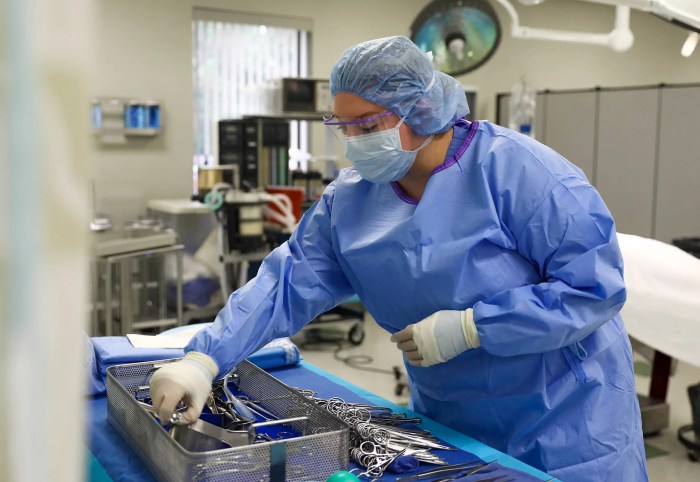
In conclusion, the surgical technologist’s role is a cornerstone of modern healthcare. Their contributions extend far beyond the sterile field; they are the advocates for patient safety, the guardians of surgical efficiency, and the vital links in a complex chain of care. The path of a surgical technologist is one of constant evolution, demanding adaptability, and a commitment to lifelong learning, ultimately shaping the future of surgical practice.
